
DENTACENTER

Implant Treatment

Learn about treatment options and the treatment process.

What Is Implant Treatment?

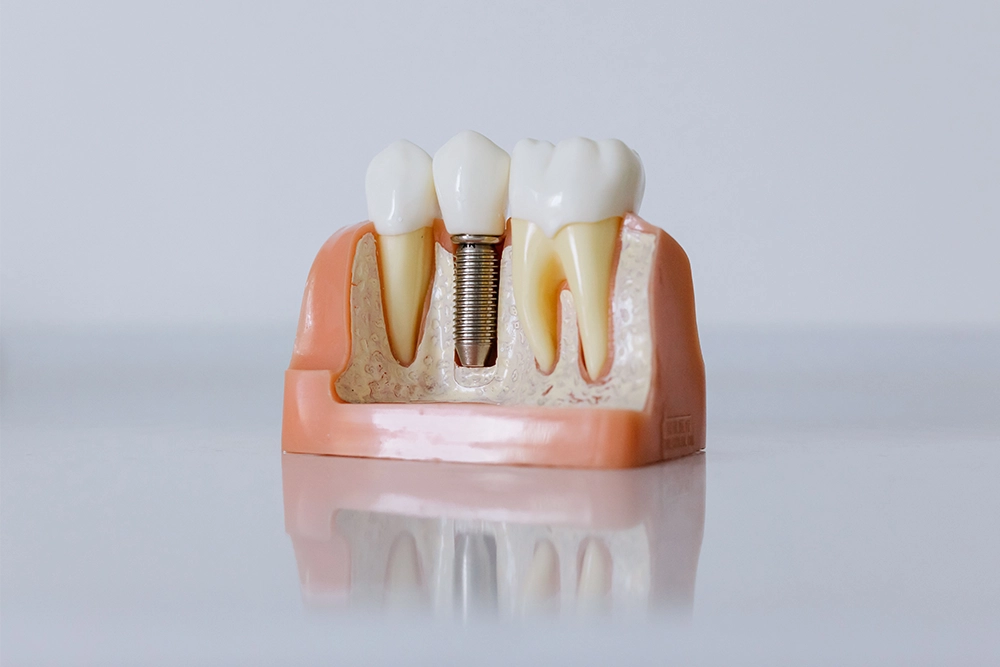
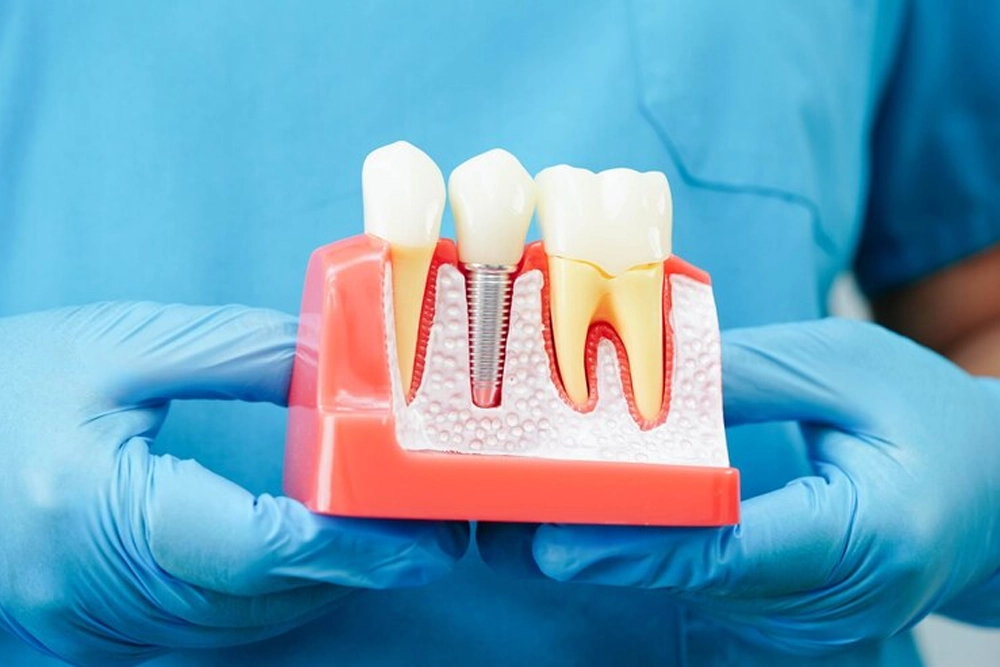
Dental implants are artificial tooth roots made of titanium that are surgically placed in the jawbone in place of a missing tooth root. After healing, the implant is restored with a tooth to regain function and aesthetics. A properly placed and well-maintained implant can serve a patient for a lifetime. Dental implants are a popular treatment option because they are more durable and permanent than other ways of replacing missing teeth, and allow patients to use them much like their original teeth. In short, implant treatment can support a more comfortable and healthy life when teeth are missing.

What Is Implant Treatment?

What Are Common Causes of Tooth Loss?

When a tooth is lost, the jawbone naturally begins to deteriorate. This process happens quickly at first and then continues more slowly for the rest of life. It can disturb the balance of surrounding teeth, cause them to shift and contribute to premature facial ageing. Partial dentures rest only on the gums, can slip or pinch, and make chewing difficult. They also do nothing to stop jawbone loss. Dental implants replace tooth roots, stabilise adjacent teeth and provide a solid foundation for a high-quality tooth. Many problems can lead to tooth loss.

  • Periodontal diseases that cause teeth to loosen.
  • A blow to the mouth or a traumatic accident that breaks teeth severely enough to require extraction.
  • Deep dental decay that cannot be restored and requires extraction.
  • Systemic dental problems.
What Are Common Causes of Tooth Loss?

Advantages of Implant Treatment

Dental implants are considered one of the best solutions for replacing missing teeth. Unlike gum-supported dentures, implants replace tooth roots. This treatment creates a strong and secure foundation for restorations such as crowns, bridges and even full dentures. They can restore your biting power and may help stop jawbone loss.

  • One of the main advantages is a comfortable, functional chewing experience. Because it restores chewing power, many patients cannot tell the difference between a natural tooth and an implant tooth.
  • Implants look like natural teeth and can address aesthetic concerns.
  • They help restore eating and drinking habits.
  • They help patients smile freely.
  • For possible future tooth loss, multiple implants can be combined into a bridge.
  • They have a higher success rate than other available options.
Advantages of Implant Treatment

What Benefits Do Implants Provide?

  • Implants help prevent bone resorption by supporting the bone.
  • They take the place of a tooth root and perform its essential functions.
  • They help prevent other teeth from moving and shifting.
  • They can provide fixed teeth as if tooth loss had not occurred.
  • They support speech by preserving the natural facial shape.
  • Because implant treatment is long-lasting, patients can benefit from it for many years.
What Benefits Do Implants Provide?

Clinical Assessment

What Is the Advantage of an Implant Compared with a Bridge?

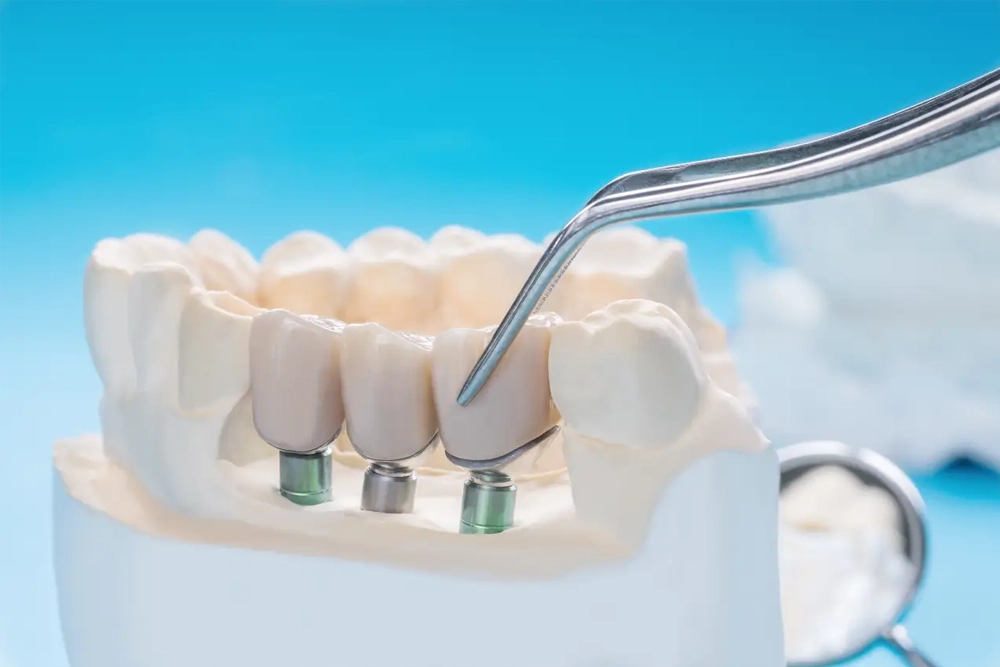
Because it does not require intervention on neighbouring teeth, a single implant placed directly in the bone is a more conservative option than reducing two adjacent teeth for a bridge. It can also offer a fixed prosthesis option when a bridge cannot be made and a removable prosthesis would otherwise be needed. Teeth used for a bridge are cut down, which may shorten their lifespan over time; this is not the case with implant treatment.
Do Implants Harm Health?

Implants do not harm health. Implant treatment is performed to help regain oral and dental health, and implants are biocompatible materials.

Is Implant Treatment Suitable for Everyone?

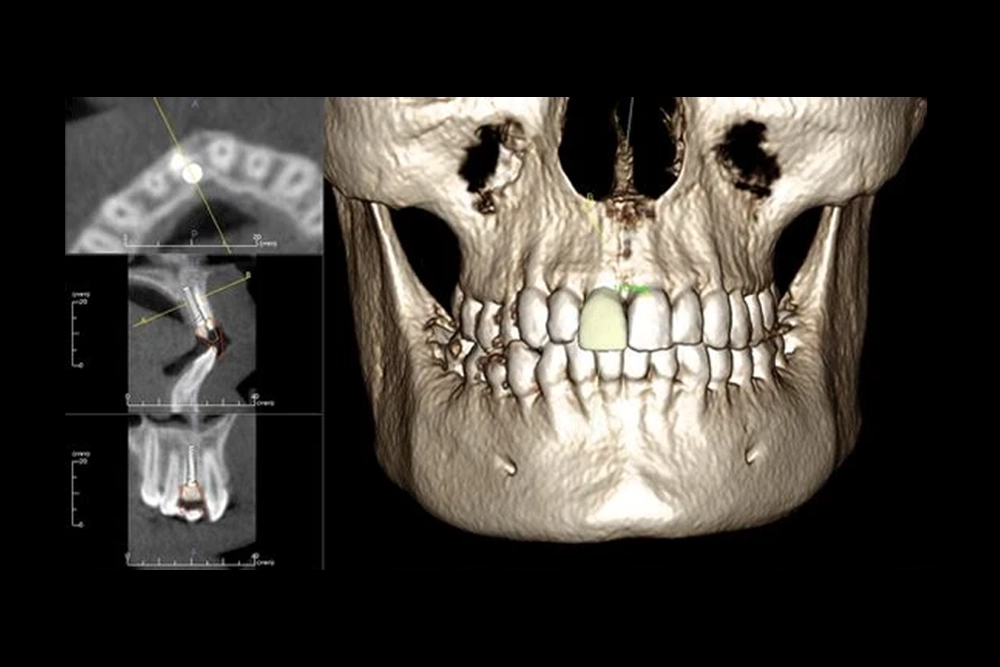
Like any dental treatment, implants are not the right option for everyone. With extensive jawbone loss, a simple bone graft or membrane treatment may be needed. We evaluate the mouth and jawbone through 3D tomography and plan the most suitable treatment options.

When Can Implant Placement Be Risky?

Implant placement can involve risk during treatments that directly affect bone healing, such as chemotherapy or radiotherapy; with bisphosphonate use; in pregnancy; in patients with heart disease or diabetes; with immunosuppressive medication; and in people with healing or bleeding disorders. In such cases, consultation with the relevant medical units is needed.

Can the Body Reject an Implant?

Treatment failure can be associated with the operation, systemic diseases and metabolic conditions, regularly used medication, insufficient bone, or neglecting dental care after surgery. A detailed medical history and examination are carried out to help avoid these outcomes, and it is important to follow the advice and protocols provided by your dentists.

What Happens at the First Examination?

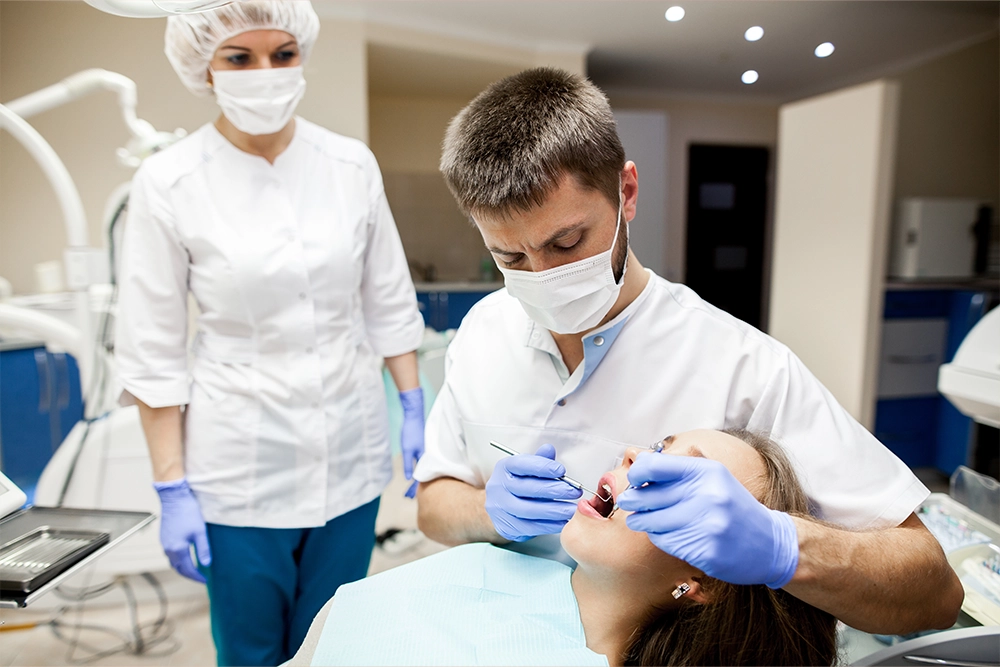
The first examination includes an intraoral assessment followed by panoramic X-ray and tomography. Possible treatment options are discussed in consideration of the patient’s expectations, and the most appropriate treatment is selected.

Three-Dimensional Jaw and Dental Tomography

What Is Three-Dimensional Jaw and Dental Tomography?

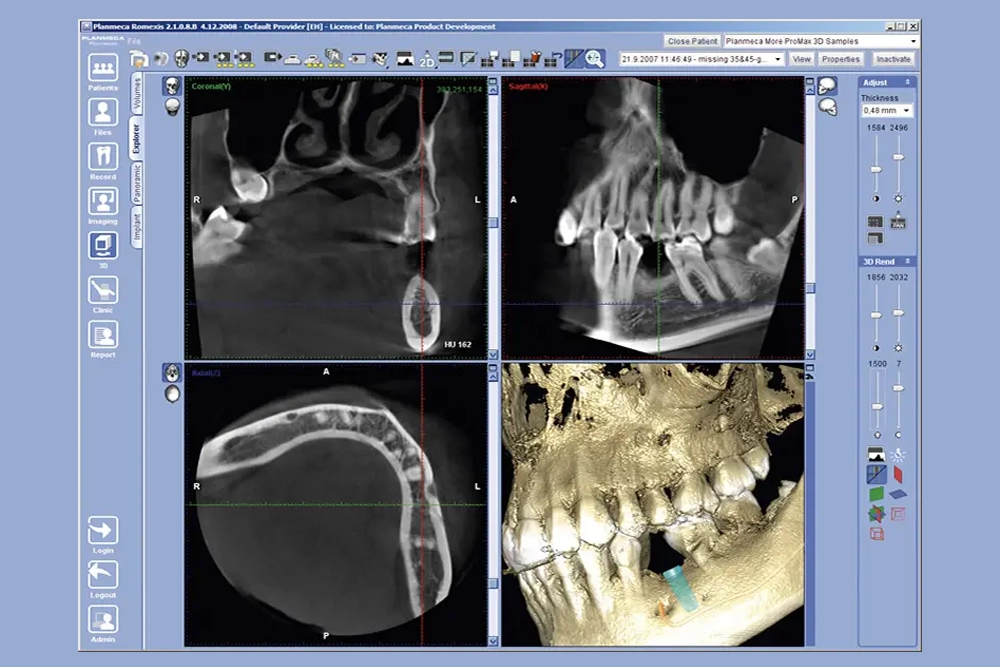
3D dental and jaw tomography enables a multi-directional view of the mouth’s internal structure and its surroundings. It is important for more accurate treatment planning and for a safe start to treatment with reduced radiation exposure. It can be used to view whether bone structures are suitable for an implant, the position of wisdom teeth and the jaw structure.

Why Is Three-Dimensional Jaw and Dental Tomography Necessary?

The main difference from conventional dental X-rays is that other X-rays show a two-dimensional image, like a page in a notebook. With 3D jaw and dental tomography, the jawbone can be viewed in three dimensions, allowing teeth and jawbones to be assessed in sections for thickness, length and width.

Is 3D Tomography Needed for Implants?

3D dental tomography is important in both planning and performing implant treatment. It enables precautions to reduce possible damage to anatomical structures, helping treatment progress more successfully and comfortably.

Is Radiation Exposure High in Three-Dimensional Tomography?

Tomography devices used in dentistry take images with much lower radiation than devices used in medicine. Because the scanned area is small, the radiation dose is also reduced.

Three-Dimensional Jaw and Dental Tomography

An Implant Approach for Missing Teeth

Is an Implant Needed for Every Missing Tooth?

An implant is not needed for every missing tooth. There may be more than one missing tooth in one area, and the number of implants can be reduced by using a bridge. If an implant were placed for every tooth, food debris could collect between them and cleaning would be difficult. It can therefore be more appropriate to place fewer implants than the number of missing teeth and use an implant-supported bridge.

Can Patients Who Use Removable Dentures Benefit from Implant Treatment?

Implant-supported removable dentures can be made to improve the retention of dentures; fixed treatment may also be applied if the patient’s bone is suitable. Your dentist determines the most appropriate option.

An Implant Approach for Missing Teeth

Implant-Supported Solutions

What Is All-on-Four?

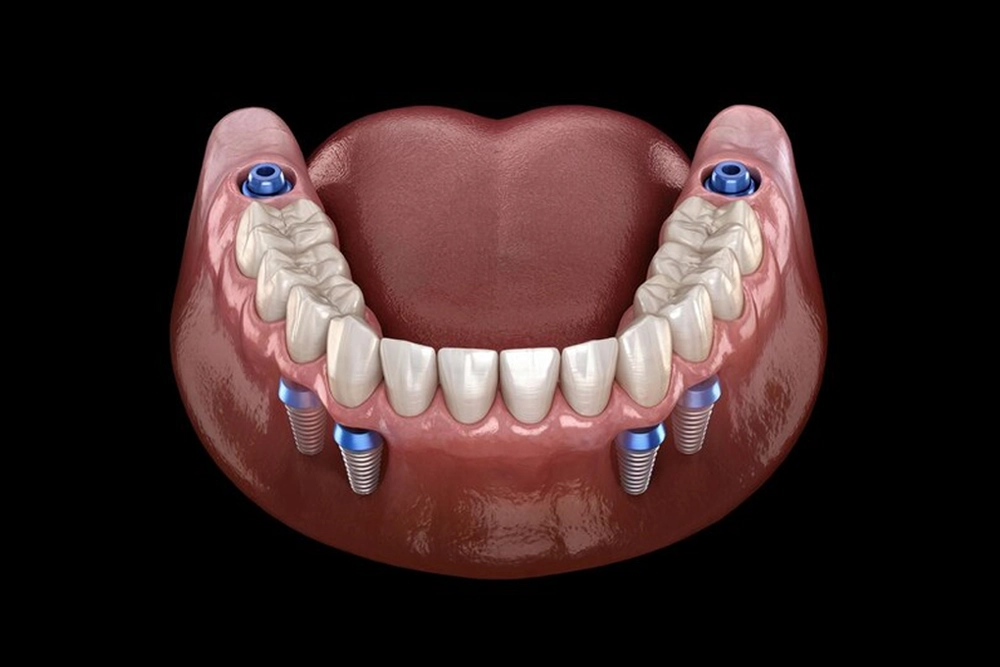
The All-on-Four system is a treatment method that uses four dental implants to stabilise a dental prosthesis. It is often preferred for patients with significant bone loss and uses special hybrid prostheses. It can provide a natural-looking, fully functional smile. Our oral and maxillofacial surgeons identify the most suitable areas in the jawbone, place four implants and allow them to integrate with the bone. An existing or temporary denture can then be fitted to provide a same-day smile. Your dentist decides whether this treatment is suitable through an assessment with tomography. After healing is complete, permanent prostheses are fixed to the implants with screws.

What Is Overdenture?

People missing several or all teeth may experience dentures slipping while speaking or eating, or loosening while smiling. Overdenture is a treatment option intended to address these problems. It is a denture method supported by several implants and can provide a natural smile that allows comfortable eating and smiling without concern about slipping or loosening.

Implant-Supported Solutions

Bone and Surgical Options

What Is Done When There Is Not Enough Bone for an Implant?

If there is not enough bone in the planned implant area and adjacent teeth are present, treatment may be changed from an implant plan to bridge treatment, or a removable prosthesis may be used. Sinus lifting and different bone grafting methods can also be used to increase bone volume, after which implant treatment may continue.

What Are Jawbone Powders (Grafts)?

Trauma, uncontrolled gum disease and tooth loss can cause jawbone loss. This procedure is used to increase the amount of jawbone. The jawbone must be suitable for implant treatment; for patients who are not initially suitable, jawbone graft material can be added to make the jaw structure appropriate for an implant.

What Is a Sinus Lift?

A sinus lift is a surgical technique used in upper-jaw bone deficiency to increase the density of existing bone or create new bone in areas where it is missing. The aim is to create the bone density and volume needed for the implant to integrate fully. In some cases, sinus lifting is necessary for an implant to be long-lasting and healthy.

Bone and Surgical Options

The Implant Treatment Process

How Is a Dental Implant Placed?

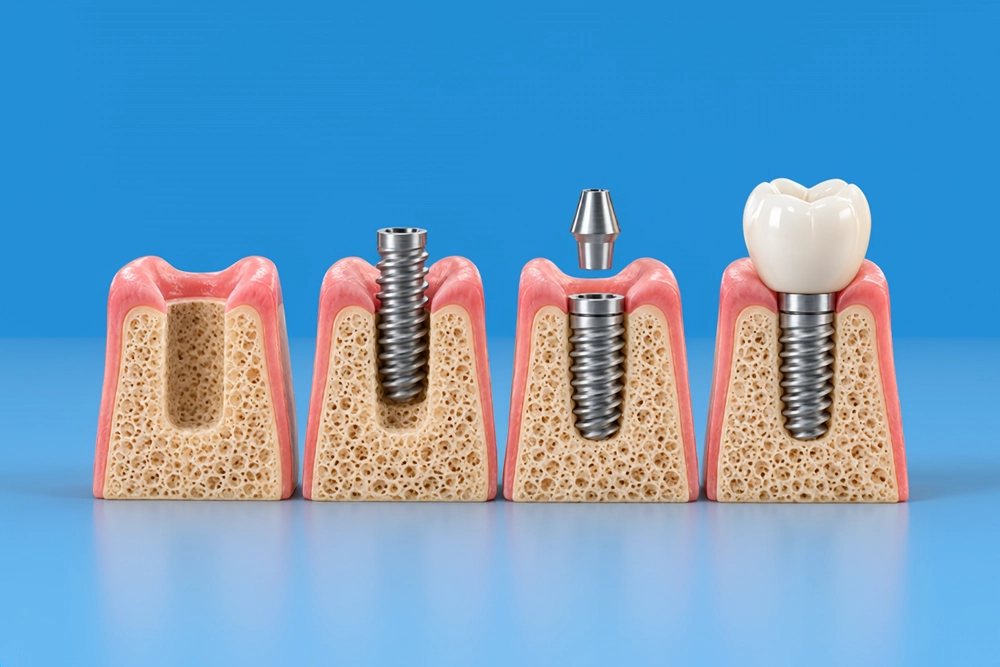
Implant treatment is performed under local anaesthesia. Titanium implants are placed in the jawbone and, after the healing process is complete, restored with a tooth.

What Are the Stages of Implant Treatment?

Implant treatment is generally performed in two stages. For a standard treatment without advanced surgery, local anaesthesia is given and the gum is carefully lifted. A site is prepared in the bone according to predetermined bone thickness and height, and the implant is placed. If there is a tooth to be extracted and the bone is suitable, an immediate implant may be placed in the same area. In the second stage, after waiting for integration with the bone, the covered implant is uncovered, the tooth-like part is placed and prosthetic procedures begin.

What Is Flapless (Sutureless) Implant Surgery?

Flapless implant surgery places the implant directly through a small, round tissue opening made with a punch, rather than lifting the tissues completely.

Will I Be Without Teeth Until My Post-Implant Prostheses Are Made?

After healing and stitch removal, partial or total prostheses can be applied. Because force should not be placed on implants that have not yet integrated, patients are asked to avoid chewing with these prostheses as much as possible. Their purpose is to support speech and provide an aesthetic appearance; patients should eat soft foods that can be crushed with the palate during this period.

The Implant Treatment Process

Frequently Asked Questions

Common questions about implant treatment.

How Should I Eat After Implant Treatment?

For the first week after surgery, while stitches are in the mouth, milk and dairy products and spicy foods should not be consumed. After treatment, patients should choose soft foods that can be crushed with the palate.

Can an Implant Be Placed in the Same Session After Tooth Extraction?

When there is no infection in the area and the bone is sufficiently thick and firm for implant placement, implants can be placed in the same session.

Can I Have MRI or Tomography of the Head and Neck After Implant Treatment?

Because implants are not magnetic materials, there is no issue with MRI or tomography imaging.